

Vehicles on multiple construction sites
Excavators, vehicles and service vehicles move between different areas and teams.
For jobsites and heavy equipment, the Zenit Fleet Management Platform links location, geofences, use, assignments, maintenance and engine hours when the asset exposes compatible data. It supports monitoring across jobsites and out-of-area or out-of-hours events, but does not guarantee theft or misuse prevention.
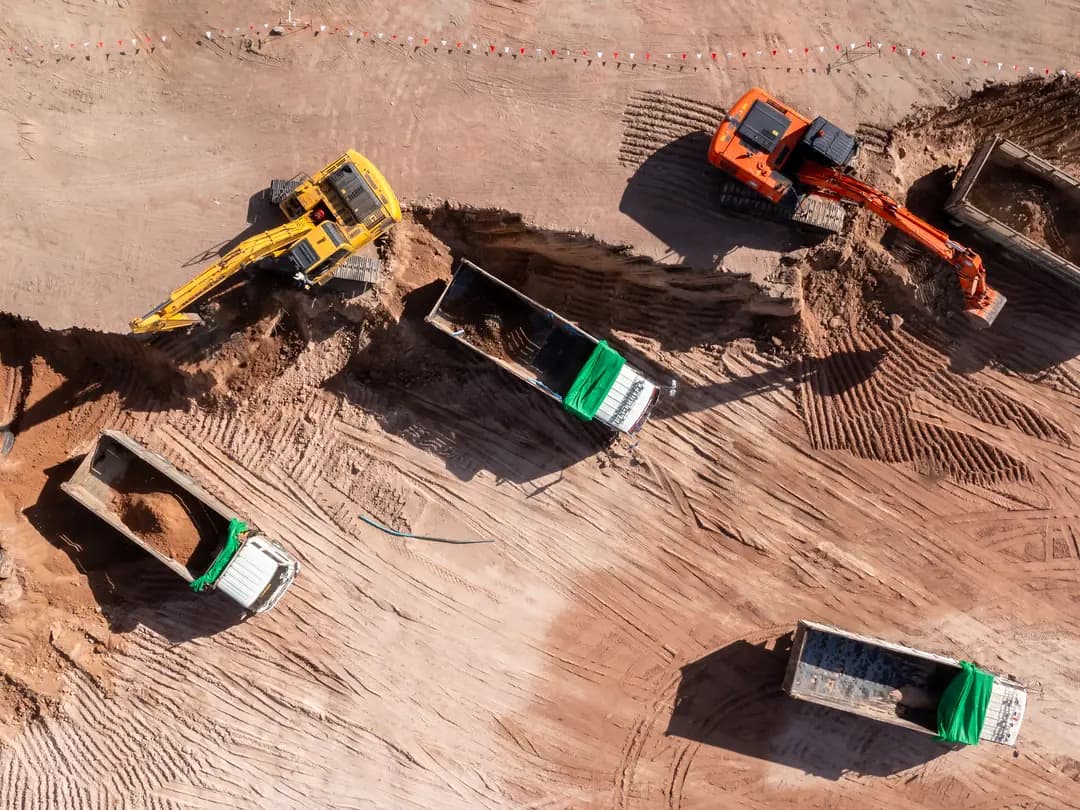
Temporary construction sites, shared vehicles and distributed equipment make operational control fragile if data remains separated.
Vehicles on multiple construction sites
Excavators, vehicles and service vehicles move between different areas and teams.
Improper use
Off-hours, out-of-area or unexpected use requires timely and contextual signals.
Risk of theft
tracking helps visibility, but does not eliminate risk or replace physical protection.
Hidden engine hours
Real work, idling and heavy use can't be read just from the kilometres.
Responsive maintenance
Interventions and deadlines become critical when they do not follow the actual use of the vehicles.
Headquarters-construction site coordination
Managers, site managers and administration struggle to share operational evidence.
The construction site configuration focuses on the presence, use and protection of the vehicles.
GPS tracking
Location, history, operational areas and time on site.
CAN bus and consumption
Engine hours, idle time, kilometres, fuel and anomalies when available.
Fleet Management
Unified view for vehicles, alerts, usage, maintenance and reports.
Construction site geofence
Rules on temporary areas, entrances, exits and out-of-context use.
Maintenance
Deadlines and interventions linked to actual use, not just the calendar.
AI Dashcam
Video events and safety when road vehicles and driving risks are relevant.
Zenit does not replace construction site management: it brings more readable data on vehicles and use.
Before
Presence verified verbally
Headquarters and site manager manually check where vehicles and teams are.
Unclear stops
A stationary, switched on or badly used vehicle only emerges after the problem.
Maintenance disconnected
Engine hours and heavy use do not fuel a tidy routine.
With Zenit
Visible areas
Geofence and history help to reconstruct presence and movements.
Contextualized use
Vehicle data and idle time give signals about real work and anomalies.
Shared priorities
Maintenance, alerts and reports become more concrete conversations.
The impact must be assessed on use, idle time, maintenance and control of areas, without invented percentages.
Protected assets
Location and geofences support control, without eliminating physical risk.
Engine hours
Useful reading to understand real load and maintenance priorities.
Idle time
Shutdowns and unproductive use become areas of operational analysis.
Coordination
Headquarters, construction site and maintenance share more orderly evidence.
Locate
Vehicles and assets with respect to construction sites and areas.
Measure
Use, engine hours, idle time and anomalies.
Plan
Maintenance and operational actions with clearer data.
Each line leads to the role page, which goes into detail about what that role asks of the system.
Role
«Which vehicles are on which construction site right now, and how many are actually working instead of staying on?»
Role
«Do I get the service done by the month or by the engine hour? On an excavator the difference is the entire maintenance plan.»
Role
"Is the fleet sized for the work we have, or do we buy because we don't know what's already around?"
In construction, the line between vehicle telematics and construction site safety is easily confused, and they are two different professions.
Badges, turnstiles, attendance and construction register do not pass through Zenit. The system follows the vehicles: where they are, when they entered an area, how long they stayed there and how much they worked. Who got on board is another piece of information, and another system collects it.
An anti-theft device is a device that actively prevents or signals the theft of a vehicle. Zenit is not: it records where the vehicle is and can warn when it leaves an area where it should remain. It's the difference between preventing a theft and being able to reconstruct it — useful for recovery and reporting, not for prevention.
This page describes vehicles with an on-board electrical system: vehicles, excavators, shovels, platforms, construction vehicles. Formwork, generators, light towers and unpowered equipment are a different problem and not one this page addresses.
Engine hours, fuel use and other signals may come from the on-board network when they are exposed and compatible; diagnostics and fault codes require specific confirmation. Mixed fleets need a vehicle-by-vehicle check before installation because make, year, specification and device change the available data set.
Answers on the boundaries between location, geofencing, vehicle data and security.
Not in a universal way: the coverage must be verified on a case-by-case basis. What is trackable beyond vehicles depends on the type of equipment, the device it can accommodate and the offer available at the time. It is one of the first things to clarify in the demo, because the answer changes from site to site and cannot be given in the abstract.
Geofences can support the control of entry, exit and residence in operational areas. They do not replace physical access control systems or construction site safety procedures.
Yes, when available from vehicle data they can help read real usage, idle time and maintenance priorities, without automatically guaranteeing cost reductions.
No. Location, geofences and alerts can support control and reaction, but they do not eliminate risk and do not replace policies, insurance or physical protections.
The Zenit path starts from areas, assets, use, engine hours, idle time, maintenance and real risks, not from a generic promise.
We use necessary technical cookies. With your consent, we may use analytics cookies to measure the site and Meta Pixel to attribute campaigns, build audiences and personalise advertising. You can reject or choose each category; the site will still work. Cookie policy · Privacy policy