

Punctuality reconstructed after the event
Arrivals, waits and diversions are explained after many calls and manual checks.
For freight transport and logistics, the Zenit Fleet Management Platform links location, journeys, stops, drivers, available fuel data, tachograph, maintenance and alerts. Fleet managers and operations can read vehicle, journey and exception in the same context, enabling only data and modules compatible with the project.
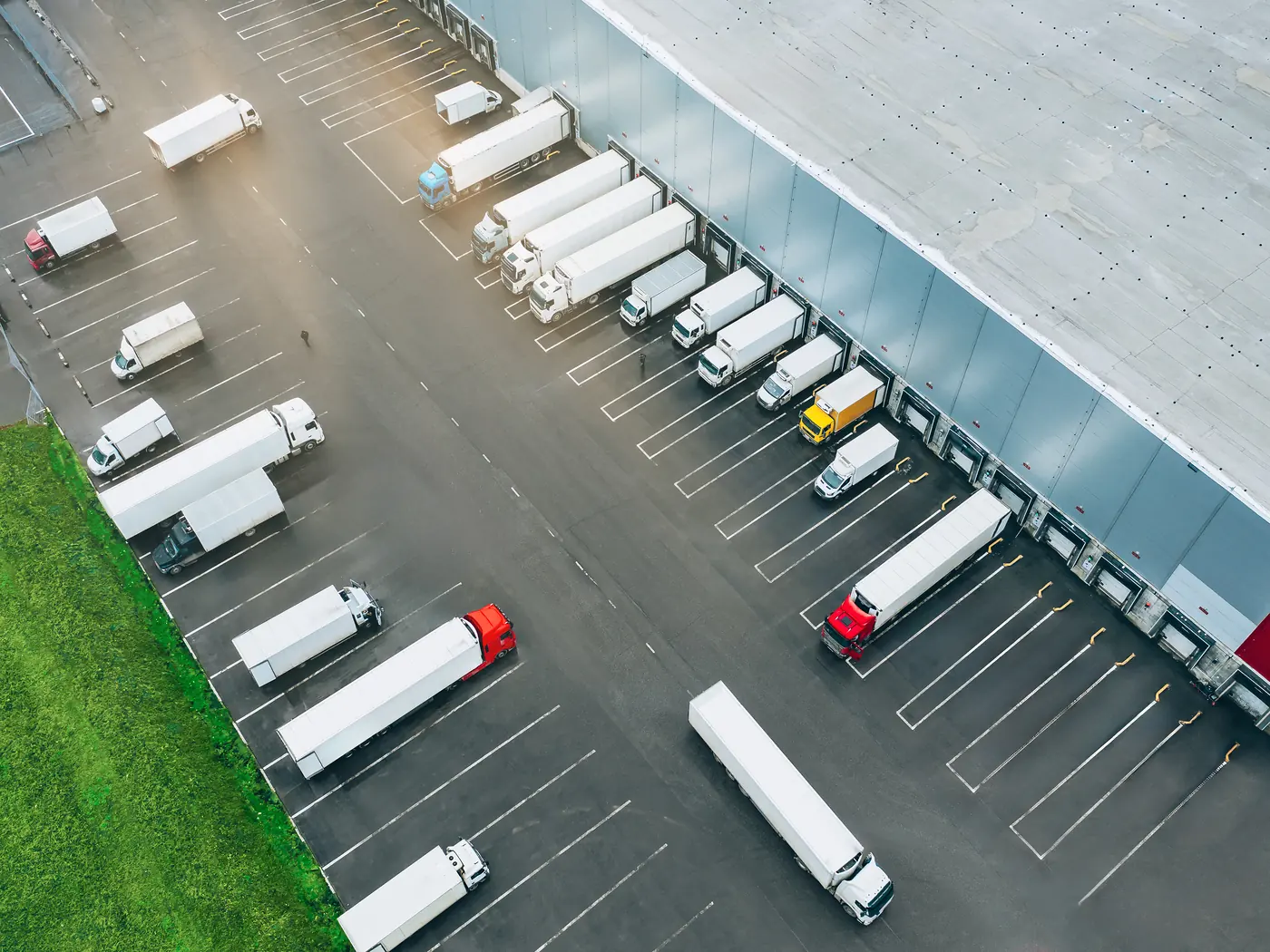
The fleet must be governed by reading together the route, driver, vehicle, stops, operational load, consumption and compliance constraints.
Punctuality reconstructed after the event
Arrivals, waits and diversions are explained after many calls and manual checks.
Not very transparent assignments
Vehicle, driver, route and customer priority are not always readable in the same context.
Unqualified stops
Pause, waiting, queue, technical stop and deviation require different readings.
Consumption out of control
Fuel, kilometres, idle time and driving style affect the margins without always emerging immediately.
Separate tachograph
Times, rests, deadlines and downloads remain risky if they do not communicate with operations.
Missing documentation
Operational evidence for customers, administration and compliance is not always ready.
For transport fleets, Zenit links modules that are often evaluated separately.
Fleet Management
Central view for vehicles, drivers, activities, alerts, maintenance and costs.
GPS tracking
Location, route history, stops, geofence and vehicle use.
Tachograph and compliance
Support for reading times, rests, deadlines, downloads and documents.
CAN bus and consumption
Fuel, kilometres, idle time, anomalies and driving style.
AI Dashcam
Video events and support for the reconstruction of road risks.
Operational reporting
Punctuality, stops, diversions and consumption per route, exportable to whoever needs to read them.
The change is not to automate every decision, but to give operations and management a more reliable picture.
Before
Calls on every delivery
The position of the vehicle is asked to the person driving or coordinating the route.
Costs read in the final balance
Consumption and shutdowns emerge when the margin is already compromised.
Compliance out of context
Tachograph and documents are controlled separately from programming.
With Zenit
Visible exceptions
Stops, diversions, delays and geofences help to understand where to intervene.
Connected consumption
Vehicle and route data give context to mileage, fuel and idle time.
Centralized control
Times, deadlines and documents enter the same operational conversation.
Zenit does not promise automatic savings: it makes the areas where transport and logistics consume time, fuel and attention more legible.
Punctuality
Route events and stops help explain variances and priorities.
Margins
Consumption, kilometres and idle time become data to be compared between vehicles and routes.
Compliance
Time and documents can be managed in a more orderly manner.
Customer service
The reconstruction of deliveries and anomalies uses evidence that is easier to find.
Check
Vehicles, drivers, routes and states in a single picture.
Explains
Delays, stops, consumption and anomalies with verifiable data.
Prioritize
Actions on fleet, maintenance, safety and compliance.
Each line leads to the role page, which goes into detail about what that role asks of the system.
Role
«Do I find out about the delay now or will the customer tell me tomorrow morning?»
Role
“Which vehicle is available for Thursday's route, and which has an open deadline?”
Role
“Which tachograph data, outcomes and deadlines require review?”
In logistics there are three easy promises, and they are three good reasons not to confidence those who make them.
Zenit does not have a route optimisation engine and does not decide in which order to serve the delivery points. Measure the route that has been taken: where, when, with which stops and with what deviations from the planned route. Planning remains with those who do it today, whether it is dedicated software or a person with twenty years of experience.
A system can't tell you how many deliveries arrived on time until it has a definition of on time. Delivery window, allowed tolerance, moment at which the counting starts: these are different contractual clauses for each customer, and must be decided before measuring anything. Zenit provides the real arrival and parking times; you establish the threshold that transforms them into a KPI.
Remote download, storage and reading of tachograph data are operations that the platform performs. The obligations that those operations serve to satisfy remain with the company and the people that the company has appointed: no tool assumes them, and anyone who suggests otherwise is selling you a peace of mind that they cannot give you.
Prudent answers on the boundaries between fleet control, routes, compliance and reporting.
No: automatic route optimisation is not a function that Zenit promises. What it offers is operational control over what actually happens — location, history, stops, geofences, vehicle data and reports — that is, the basis on which planners decide. More advanced logic must be tested in demo before taking it for granted.
Yes, the tachograph theme can be linked to operational management to support control of times, rests, deadlines, downloads and documentation, without replacing corporate responsibilities or regulatory consultancy.
Position, history, stops and documentation can make operational reconstruction quicker. The information that can be published to end customers depends on company processes.
We often start with Fleet Management and GPS tracking, then evaluate the weight of the tachograph, CAN bus consumption, dashcam and reporting based on routes, vehicles, drivers and service requests.
No: Zenit does not manage orders, tariffs or load planning. It integrates alongside the TMS to bring location, consumption and compliance into the same decision flow.
Zenit helps you build a commercial view of your scenario: vehicles, drivers, routes, stops, tachograph, consumption, maintenance and documentation.
We use necessary technical cookies. With your consent, we may use analytics cookies to measure the site and Meta Pixel to attribute campaigns, build audiences and personalise advertising. You can reject or choose each category; the site will still work. Cookie policy · Privacy policy